
Hey there. I’m diving into the world of sayur huruf i—vegetables that start with the letter “I.” You might be wondering, why focus on just one letter? Well, it’s surprising how many interesting and nutritious veggies fall under this category.
Take icicle radishes, for example. They’re not as common as their red counterparts, but they pack a punch in flavor and nutrition.
I mean, who knew?
So, let’s get into it. We’ll cover what these vegetables are, why they’re good for you, and how you can use them in your kitchen.
Ready to learn something new, and let’s go.
Vegetable Spotlight: Iceberg Lettuce
Definition: What is iceberg lettuce?
Iceberg lettuce, also known as crisphead lettuce, is a type of lettuce with a round, tightly packed head. It’s known for its crunchy texture and mild flavor.
Nutritional Value: Key nutrients and health benefits.
A lot of people knock iceberg lettuce for being low in nutrients. But hey, it’s not all bad. It’s got some vitamins A and K, and it’s super low in calories.
Plus, it’s mostly water, which can help keep you hydrated.
Culinary Uses: How to prepare and incorporate iceberg lettuce into meals.
Iceberg lettuce is great for adding a fresh crunch to your dishes. You can chop it up for salads, use it as a wrap, or even add it to sandwiches. It’s versatile and easy to work with.
Examples: Popular recipes and dishes featuring iceberg lettuce.
Think beyond the basic salad. Try making a classic wedge salad with blue cheese dressing. Or how about a BLT with a twist, using iceberg lettuce for that extra crunch? sayur huruf i is a term you might hear in some regions, but it’s just another way to refer to this crispy veggie.
So, next time someone tells you iceberg lettuce is just filler, remember it has its place. It’s not the most nutrient-dense, but it’s a solid choice for adding texture and freshness to your meals.
Vegetable Spotlight: Indian Mustard Greens (Brassica juncea)
Ever heard of Indian mustard greens? They’re a type of leafy green that’s packed with flavor and nutrition. Let’s dive in.
Definition: What are Indian mustard greens?
Indian mustard greens, also known as sayur huruf i in some regions, are a variety of mustard greens with a peppery, slightly bitter taste. They’re a staple in many Asian cuisines and are known for their vibrant green color and robust flavor.
Nutritional Value: Key nutrients and health benefits
These greens are a powerhouse of nutrients. Rich in vitamins A, C, and K, they also provide a good dose of calcium and iron. Eating them can boost your immune system and support bone health.
Plus, they’re low in calories, making them a great addition to any diet.
Culinary Uses: How to prepare and incorporate Indian mustard greens into meals
Cooking Indian mustard greens is simple. You can sauté them with garlic and olive oil, or add them to soups and stews. They pair well with spices like cumin and turmeric, which enhance their natural flavors.
Examples: Popular recipes and dishes featuring Indian mustard greens
One popular dish is Sarson ka Saag, a Punjabi specialty where the greens are cooked down with spinach and spices, then served with cornmeal flatbread. Another easy recipe is a simple mustard green stir-fry with tofu and soy sauce. Both dishes highlight the unique taste and versatility of these greens.
Incorporating Indian mustard greens into your meals not only adds a burst of flavor but also provides a range of health benefits. So, why not give them a try?
Vegetable Spotlight: Italian Parsley (Petroselinum crispum var. neapolitanum)
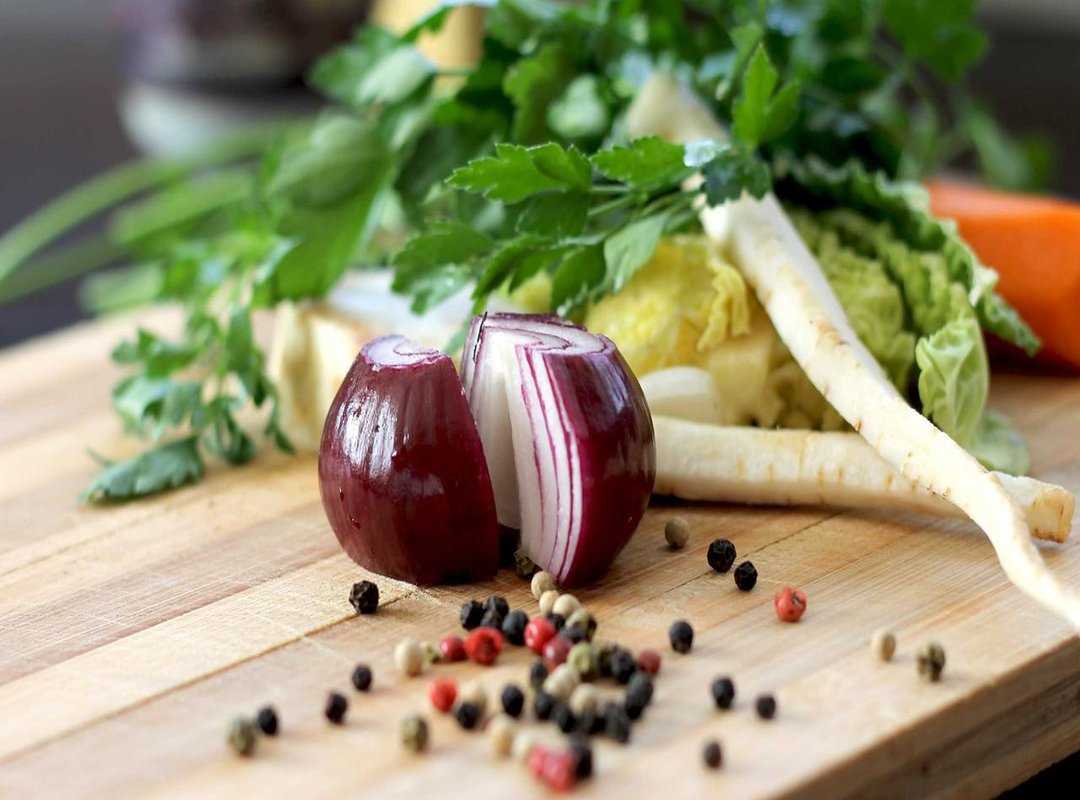
Definition: What is Italian parsley?
Italian parsley, also known as flat-leaf parsley, is a vibrant green herb with a fresh, slightly peppery flavor. It’s not just a garnish; it’s a key ingredient in many dishes.
Nutritional Value: Key nutrients and health benefits.
This herb packs a punch. It’s rich in vitamins A, C, and K, and it’s a good source of antioxidants. Adding it to your meals can boost your immune system and support bone health. sayur huruf i
I remember when my mom used to sprinkle it on everything, saying it was like a little health boost.
Culinary Uses: How to prepare and incorporate Italian parsley into meals.
To use Italian parsley, wash it thoroughly and pat it dry. You can chop it up and add it to salads, pasta, or even blend it into pesto. It’s super versatile.
I love using it in homemade tabbouleh for a burst of freshness.
Examples: Popular recipes and dishes featuring Italian parsley.
One of my favorite ways to use Italian parsley is in a classic Italian dish, chicken piccata. The parsley adds a bright, herby note that complements the lemon and capers perfectly. Another go-to is gremolata, a zesty mix of parsley, lemon zest, and garlic.
It’s great on grilled fish or roasted vegetables.
sayur huruf i
Incorporating Italian parsley into your cooking is a simple way to elevate your meals. Give it a try and see how it transforms your dishes.
Vegetable Spotlight: Indigo Rose Tomato (Solanum lycopersicum ‘Indigo Rose’)
So, what exactly is the Indigo Rose tomato? It’s a unique variety with a deep purple, almost black, skin. The color comes from high levels of anthocyanins, which are antioxidants.
Nutritional Value: Key nutrients and health benefits. These tomatoes are packed with vitamins A and C, plus they offer a good dose of potassium. The anthocyanins give them an extra health boost, potentially helping with inflammation and heart health.
Culinary Uses: How to prepare and incorporate Indigo Rose tomatoes into meals. They’re versatile and can be used in salads, sauces, or even roasted. Their rich, slightly sweet flavor adds a unique twist to any dish.
Examples: Popular recipes and dishes featuring Indigo Rose tomatoes. Think about adding them to your favorite pasta sauce or slicing them for a vibrant caprese salad. They also make a great addition to sayur huruf i, a traditional Indonesian vegetable dish.
Looking ahead, I think we’ll see more people embracing these colorful tomatoes. As folks become more health-conscious, the nutritional benefits of Indigo Rose tomatoes will likely more attention. Plus, their striking appearance makes them a standout in any garden or on any plate.
FAQs About Vegetables Starting with ‘I’
Q: Are there any other vegetables that start with the letter ‘I’?
A: Yes, some less common ones include icicle radish and ice plant (Mesembryanthemum crystallinum).
Q: Where can I find these vegetables?
A: Most of these vegetables can be found at local farmers’ markets, grocery stores, or online specialty shops.
Honestly, I love exploring sayur huruf i. It’s like a mini-adventure in the produce section.
- Farmers’ markets are my go-to. You get fresh, often organic options.
- Grocery stores can be hit or miss, but they’re convenient.
- Online shops are great for those hard-to-find veggies.
I think it’s worth the effort to try something new. Who knows? You might just discover your next favorite veggie.
Embrace the Versatility of Vegetables Starting with ‘I’
sayur huruf i like icicle radish, iceberg lettuce, and Indian mustard each bring unique flavors and textures to your table. These vegetables are not only versatile in their culinary uses but also packed with essential nutrients. Incorporating a variety of vegetables into your diet can significantly enhance your nutritional intake.
Experimenting with new recipes and cooking methods can make these sayur huruf i even more enjoyable. Try adding them to salads, stir-fries, or as a side dish to discover their full potential.
 There is a specific skill involved in explaining something clearly — one that is completely separate from actually knowing the subject. Helena Walkerbergh has both. They has spent years working with fntk powerlifting protocols in a hands-on capacity, and an equal amount of time figuring out how to translate that experience into writing that people with different backgrounds can actually absorb and use.
Helena tends to approach complex subjects — FNTK Powerlifting Protocols, Gym Performance Foundations, Strength Training Techniques being good examples — by starting with what the reader already knows, then building outward from there rather than dropping them in the deep end. It sounds like a small thing. In practice it makes a significant difference in whether someone finishes the article or abandons it halfway through. They is also good at knowing when to stop — a surprisingly underrated skill. Some writers bury useful information under so many caveats and qualifications that the point disappears. Helena knows where the point is and gets there without too many detours.
The practical effect of all this is that people who read Helena's work tend to come away actually capable of doing something with it. Not just vaguely informed — actually capable. For a writer working in fntk powerlifting protocols, that is probably the best possible outcome, and it's the standard Helena holds they's own work to.
There is a specific skill involved in explaining something clearly — one that is completely separate from actually knowing the subject. Helena Walkerbergh has both. They has spent years working with fntk powerlifting protocols in a hands-on capacity, and an equal amount of time figuring out how to translate that experience into writing that people with different backgrounds can actually absorb and use.
Helena tends to approach complex subjects — FNTK Powerlifting Protocols, Gym Performance Foundations, Strength Training Techniques being good examples — by starting with what the reader already knows, then building outward from there rather than dropping them in the deep end. It sounds like a small thing. In practice it makes a significant difference in whether someone finishes the article or abandons it halfway through. They is also good at knowing when to stop — a surprisingly underrated skill. Some writers bury useful information under so many caveats and qualifications that the point disappears. Helena knows where the point is and gets there without too many detours.
The practical effect of all this is that people who read Helena's work tend to come away actually capable of doing something with it. Not just vaguely informed — actually capable. For a writer working in fntk powerlifting protocols, that is probably the best possible outcome, and it's the standard Helena holds they's own work to.