Scrolling through social media, you might notice a lot of moody, melancholic, and intentionally ‘sad’ profiles. It’s not just a fleeting mood; it’s a deliberate online aesthetic known as the perfil usuario triste. This trend is more than just a passing fad.
I’m here to explore what it is, why it’s so popular, and what it says about how we express ourselves online.
We’ll dive into the key elements, the psychology behind it, and even some examples you might recognize. Have you ever felt the pull to express more complex, somber emotions on your social media?
Anatomy of a Sad User Profile: The Key Ingredients
A ‘sad user profile’—or perfil usuario triste if you’re feeling fancy—is a social media presence that uses specific visual and textual cues to create an aesthetic of melancholy, longing, or romanticized sadness.
Visual Components
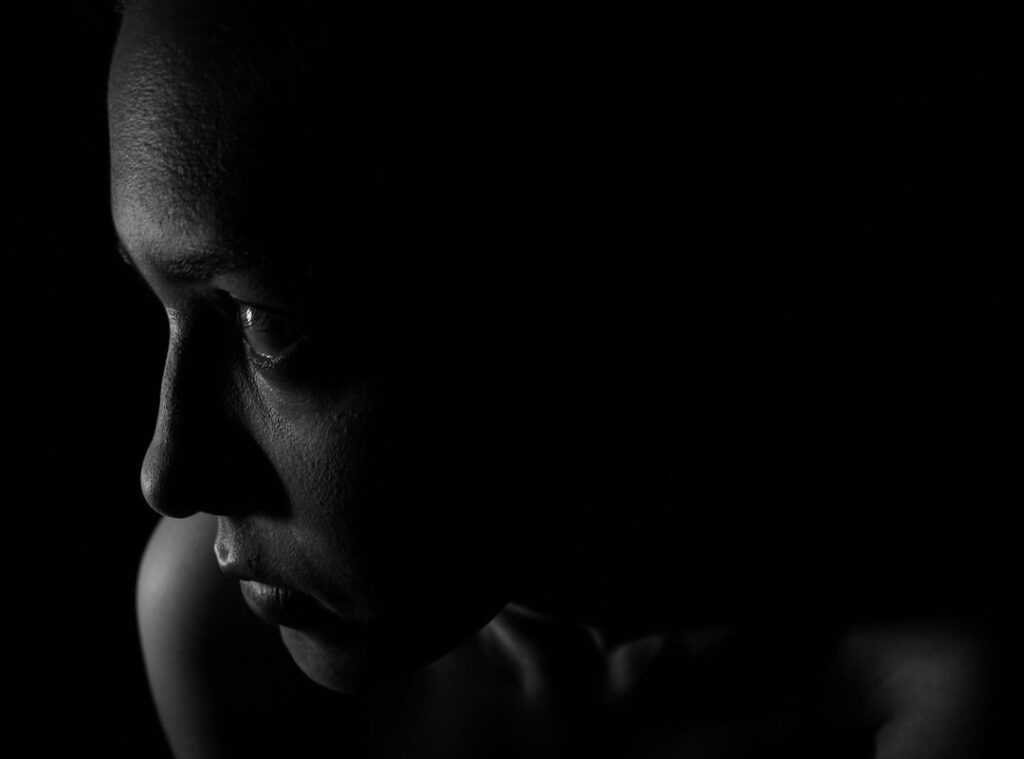
Profile pictures are often blurry, in black and white, feature obscured faces, or show moody landscapes like rainy windows or empty streets. It’s like they’re saying, “I’m too deep for a clear selfie.”
Textual Elements
Bios with cryptic lowercase quotes, lines from sad songs (think Lana Del Rey or The Smiths), or single, evocative emojis like ????, ????, or ????. It’s the digital equivalent of scribbling song lyrics on your notebook.
Content Shared
Posts often include screenshots of sad movie scenes, poetry, out-of-focus photos of everyday objects, or links to curated ‘late night feelings’ playlists. It’s like they’re curating a personal soundtrack for their existential crisis.
Platforms
This trend thrives on platforms like TikTok, Instagram, Tumblr, and Discord. Each platform has its own twist. On TikTok, it might be a moody video montage.
On Instagram, it’s all about the filters. And on Tumblr, well, it’s just a whole other level of emo.
Aesthetic vs. Reality
It’s important to differentiate between curated sadness as an aesthetic and genuine expressions of distress. This is about a chosen style, not necessarily a cry for help. It’s more like, “I’m sad, but make it fashion.”
So, next time you see a profile dripping with melancholy, remember—it’s probably just someone who really loves The Smiths and rain.
The Psychology Behind the Aesthetic: Why People Curate Sadness
People crave connection and validation. A perfil usuario triste can be a signal to others who feel the same, creating a sense of community.
Romanticizing sadness is a big part of this. Melancholy is often seen as a sign of depth, artistic sensibility, and intellectualism, not just a negative emotion.
Pop culture plays a huge role. Shows like Euphoria and the music of artists like Billie Eilish and Frank Ocean have made this aesthetic mainstream.
It’s a form of controlled vulnerability. Users can express difficult emotions within a safe, stylized framework without having to be completely literal. perfil usuario triste
There’s also a counter-reaction at play. It’s a way to push back against the pressure of maintaining a ‘perfectly happy’ and polished online persona.
But there’s a fine line. While it can be a healthy way to express feelings, it can also glamorize mental health issues.
We need to be mindful of that. It’s about finding a balance between expression and responsibility.
Crafting the Vibe: A Guide to the Melancholy Aesthetic
So, you want to dive into the melancholy aesthetic. Great choice. It’s all about capturing a mood that resonates with deep, reflective emotions.
First up, your profile picture. Think about shots like looking away from the camera, a silhouette against a sunset, or a close-up of an eye with headphones. Even a favorite melancholic album cover can work wonders.
Next, your bio, and keep it simple and evocative. Try something like “currently overthinking” or a timestamp like “3:00 am.” A quote from a poet like Sylvia Plath can also set the tone perfectly.
For your username and handle, go for lowercase letters, underscores, or words related to night, rain, or stars. Examples? ‘nightlythoughts’ or ‘rainy_days.’ These add to the perfil usuario triste vibe.
Now, let’s talk content curation. Use similar dark filters, like VSCO presets, to keep your feed cohesive. Post about niche interests such as classic literature or indie films.
Sharing user-generated content that fits the mood is a great idea too.
Music is key in this aesthetic. Link your Spotify playlists or use the ‘music’ feature on Instagram Stories. Choose songs that match the melancholic vibe.
This adds depth and authenticity to your profile.
By following these steps, you’ll create a consistent and captivating melancholy aesthetic. Trust me, it’s worth the effort.
Beyond the Trend: What Sad Profiles Say About Us
The perfil usuario triste is a complex blend of aesthetic choice, community-seeking, and emotional expression. It reflects a deeper need for authenticity in a digital age that often demands constant positivity. This trend is more than just a passing fad; it’s a powerful form of digital identity curation.
By embracing this aesthetic, we gain insights into how people, especially younger generations, navigate and communicate their inner worlds online. As we move forward, the future of online personas will continue to evolve, offering new ways to express our authentic selves. Observe these profiles not just as a trend, but as a form of modern storytelling.
 There is a specific skill involved in explaining something clearly — one that is completely separate from actually knowing the subject. Helena Walkerbergh has both. They has spent years working with fntk powerlifting protocols in a hands-on capacity, and an equal amount of time figuring out how to translate that experience into writing that people with different backgrounds can actually absorb and use.
Helena tends to approach complex subjects — FNTK Powerlifting Protocols, Gym Performance Foundations, Strength Training Techniques being good examples — by starting with what the reader already knows, then building outward from there rather than dropping them in the deep end. It sounds like a small thing. In practice it makes a significant difference in whether someone finishes the article or abandons it halfway through. They is also good at knowing when to stop — a surprisingly underrated skill. Some writers bury useful information under so many caveats and qualifications that the point disappears. Helena knows where the point is and gets there without too many detours.
The practical effect of all this is that people who read Helena's work tend to come away actually capable of doing something with it. Not just vaguely informed — actually capable. For a writer working in fntk powerlifting protocols, that is probably the best possible outcome, and it's the standard Helena holds they's own work to.
There is a specific skill involved in explaining something clearly — one that is completely separate from actually knowing the subject. Helena Walkerbergh has both. They has spent years working with fntk powerlifting protocols in a hands-on capacity, and an equal amount of time figuring out how to translate that experience into writing that people with different backgrounds can actually absorb and use.
Helena tends to approach complex subjects — FNTK Powerlifting Protocols, Gym Performance Foundations, Strength Training Techniques being good examples — by starting with what the reader already knows, then building outward from there rather than dropping them in the deep end. It sounds like a small thing. In practice it makes a significant difference in whether someone finishes the article or abandons it halfway through. They is also good at knowing when to stop — a surprisingly underrated skill. Some writers bury useful information under so many caveats and qualifications that the point disappears. Helena knows where the point is and gets there without too many detours.
The practical effect of all this is that people who read Helena's work tend to come away actually capable of doing something with it. Not just vaguely informed — actually capable. For a writer working in fntk powerlifting protocols, that is probably the best possible outcome, and it's the standard Helena holds they's own work to.