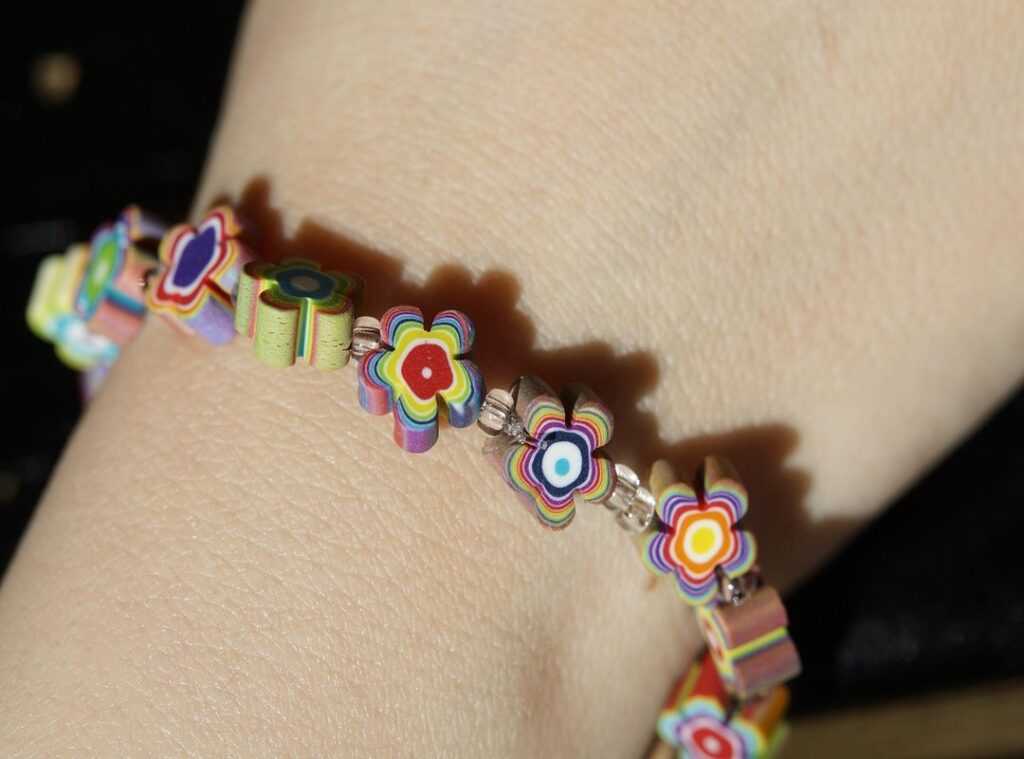
Crafting tiny, colorful animal figures from scratch is like bringing a little world to life. It’s fun, it’s creative, and it’s something you can do right at home. This guide is for absolute beginners who want to learn how to make Fimo clay animals.
You’ll learn what Fimo clay is, the essential tools you need, and get a full step-by-step tutorial for your first project. The article is packed with fimo klei voorbeelden dieren to spark your creativity. By the end, you’ll have the confidence and knowledge to start your own clay crafting journey.
What is Fimo Clay and Why It’s Perfect for Animal Miniatures
Fimo clay is a type of polymer clay. It’s pliable and man-made, hardening permanently when baked in a home oven. Unlike air-dry clay, Fimo is known for its durability, vibrant color retention, and ability to hold fine details—crucial for animal figures.
There are three main types of Fimo: Fimo Soft, Fimo Professional, and Fimo Effect. Fimo Soft is great for beginners because it’s easy to work with. Fimo Professional is firmer, making it ideal for advanced detail work.
Fimo Effect adds glitter, metallic, or stone looks, perfect for adding that extra touch.
These properties make Fimo the ideal choice for creating small animals. From tiny eyes and noses to textured fur or scales, Fimo captures every detail. Plus, it’s non-toxic and safe to use with proper handling and baking procedures.
fimo klei voorbeelden dieren show just how versatile and detailed this medium can be. Whether you’re a beginner or an experienced artist, Fimo offers something for everyone. Give it a try and see what amazing miniatures you can create!
Getting Started: Essential Tools and Basic Techniques
If you’re just starting out, there are a few must-have tools. First, get a clean work surface like ceramic tile or glass. You’ll also need an acrylic roller, a craft knife or blade, and some basic sculpting tools such as a needle tool and dotting tools.
The most critical first step is conditioning the clay. Knead it until it’s soft and pliable. This prevents cracking during baking.
Now, let’s talk about creating fundamental shapes. Spheres for heads, logs for bodies and legs, teardrops for ears and tails, and flat pancakes for bases or shells. These are the building blocks of most animals.
Color mixing is simple. Blend small amounts of two colors to create a new shade. It’s like mixing paint, but with clay.
Pro tip: Keep your clay clean by washing your hands frequently and wiping down the work surface, especially when switching between light and dark colors. This will help you avoid unwanted color transfers.
fimo klei voorbeelden dieren can be a great source of inspiration. Check out some examples to see how these basic shapes come together to form intricate and adorable animal figures.
Step-by-Step Tutorial: Create Your First Fimo Clay Animal (A Simple Turtle)

Step 1: Making the Shell
Start by rolling a ball of green clay. Gently flatten it into a dome shape. Use a blade to lightly press a pattern onto the shell.
This gives it that realistic, textured look.
Step 2: Forming the Body and Head
Next, make a teardrop shape from brown clay for the body. Roll a small sphere for the head. Attach both under the shell.
Make sure they’re securely in place. fimo klei voorbeelden dieren
Step 3: Adding the Legs and Tail
Roll four small, equal-sized logs for the legs. For the tail, roll a tiny cone. Attach the legs and tail to the body.
Ensure they are evenly spaced and firmly attached.
Step 4: Finishing Details
Use a dotting tool or toothpick to add two small black clay dots for eyes. This simple step brings your turtle to life.
Step 5: Baking Your Creation
Follow the Fimo package directions for baking times and temperatures. Always have adult supervision and ensure proper ventilation. Safety first!
Creating fimo klei voorbeelden dieren like this turtle is a fun and rewarding project. It’s a great way to get creative and make something unique.
Pro tip: Experiment with different colors and patterns to make each turtle one-of-a-kind.
Inspiration Gallery: Easy to Advanced Fimo Animal Ideas
So, you’re looking for some fimo klei voorbeelden dieren? Got it. Let’s dive in.
Beginner-Friendly Animals: Start with simple shapes. Caterpillars are a series of connected balls. Ladybugs are just a dome with dots.
Simple fish can be made with a few basic shapes and lines.
Intermediate Projects: Once you get the hang of it, try something a bit more complex. A fox with a distinct tail and ears. A penguin with its classic black and white.
Or a simple owl with big, round eyes.
Advanced Inspiration: For those who want a real challenge, aim for a realistic dog with textured fur. A colorful parrot with intricate feathers. Or even a detailed dragon with scales.
These projects take time and practice, but the results are stunning.
Before you start, search for images of these animals. Use them as a reference. It’ll help you nail the details and make your creations look amazing.
Bringing Your Clay Creations to Life
Fimo klei voorbeelden dieren is a fun and versatile medium perfect for creating detailed animal figures. Anyone can start by gathering a few basic tools, conditioning their clay properly, and beginning with simple shapes.
The simple turtle tutorial is an ideal first project to build your confidence. So, pick your favorite animal, grab some clay, and start sculpting today. Let this new creative hobby inspire and empower you!
 There is a specific skill involved in explaining something clearly — one that is completely separate from actually knowing the subject. Angusation Angusation has both. They has spent years working with gym performance foundations in a hands-on capacity, and an equal amount of time figuring out how to translate that experience into writing that people with different backgrounds can actually absorb and use.
Angusation tends to approach complex subjects — Gym Performance Foundations, Pro Perspectives, Strength Training Techniques being good examples — by starting with what the reader already knows, then building outward from there rather than dropping them in the deep end. It sounds like a small thing. In practice it makes a significant difference in whether someone finishes the article or abandons it halfway through. They is also good at knowing when to stop — a surprisingly underrated skill. Some writers bury useful information under so many caveats and qualifications that the point disappears. Angusation knows where the point is and gets there without too many detours.
The practical effect of all this is that people who read Angusation's work tend to come away actually capable of doing something with it. Not just vaguely informed — actually capable. For a writer working in gym performance foundations, that is probably the best possible outcome, and it's the standard Angusation holds they's own work to.
There is a specific skill involved in explaining something clearly — one that is completely separate from actually knowing the subject. Angusation Angusation has both. They has spent years working with gym performance foundations in a hands-on capacity, and an equal amount of time figuring out how to translate that experience into writing that people with different backgrounds can actually absorb and use.
Angusation tends to approach complex subjects — Gym Performance Foundations, Pro Perspectives, Strength Training Techniques being good examples — by starting with what the reader already knows, then building outward from there rather than dropping them in the deep end. It sounds like a small thing. In practice it makes a significant difference in whether someone finishes the article or abandons it halfway through. They is also good at knowing when to stop — a surprisingly underrated skill. Some writers bury useful information under so many caveats and qualifications that the point disappears. Angusation knows where the point is and gets there without too many detours.
The practical effect of all this is that people who read Angusation's work tend to come away actually capable of doing something with it. Not just vaguely informed — actually capable. For a writer working in gym performance foundations, that is probably the best possible outcome, and it's the standard Angusation holds they's own work to.